December 2014
Journalists and media workers are confronting relentless pressure as they do their jobs, a survey of the first six months of incidents reported to Index on Censorship’s Mapping Media Freedom project has found.
|
|
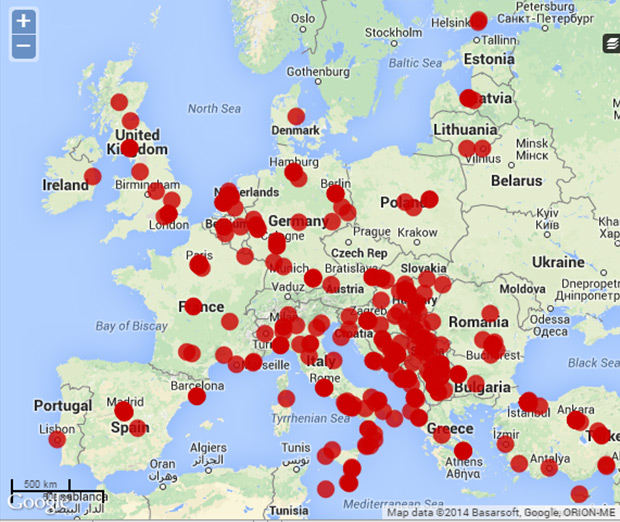
| In the six months since the mapping project was launched, over 500 reports — including 61 violent attacks on journalists — from across Europe have been verified and published. Reports have come in from as far afield as Finland and Malta, Ireland and Turkey.
Over 150 reports have been mapped to the states of the former Yugoslavia and Italy. However, as the map shows, violations of media freedom and violent incidents against journalists are being committed across Europe, with physical violence and online harassment becoming growing problems. The map, which was funded by the European Commission, launched on 24 May 2014 in partnership with Osservatorio Balcani e Caucaso and allows anyone — from members of the public to journalist unions — to submit reports for verification by Index’s European Union correspondents. “Since we launched the platform, we have recorded a number of abuses against media professionals ranging from intimidation and preventing access to information, to murder. What struck me when speaking to some journalists is that too many considered receiving threats as a ‘part of the job’. It shouldn’t be. This map is an essential tool to improve the capacity of journalists, media organisations and others to confront those threats,” Index Senior Advocacy Officer Melody Patry said. |
 |
Credit: Shutterstock / Fedor Selivanov
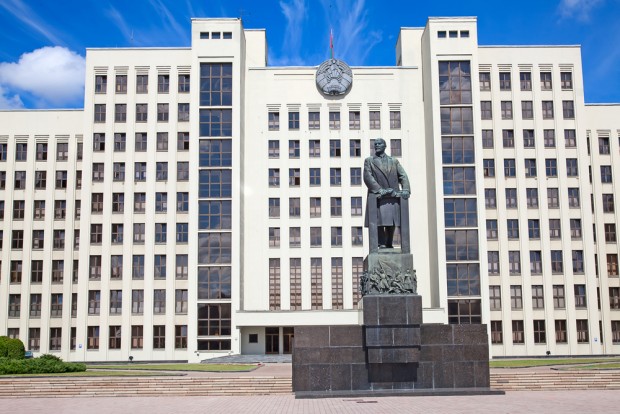
Miklos Haraszti, the UN Special Rapporteur on Human Rights in Belarus, has called for reforms to the country’s laws and practices that for two decades have stifled freedom of expression.
“Critical opinion and fact-finding are curtailed by the criminalisation of content that is deemed ‘harmful for the State’; by criminal defamation and insult laws that protect public officers and the president, in particular, from public scrutiny; and by ‘extremism’ laws that ban reporting on political or societal conflicts,” Haraszti said in a 6 November statement. Read More
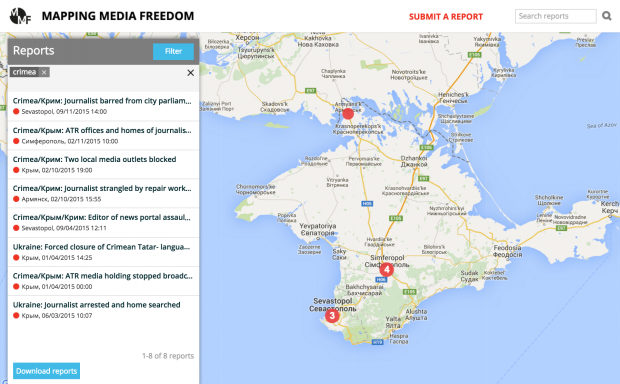
Russia’s takeover of Crimea has been accompanied by an ongoing process that is shrinking the space for media and freedom of speech on the peninsula. As the clampdown progressed, a majority of the independent journalists either left the disputed territory or stopped openly criticising Russian policy. At the same time, the number of alternative sources of information declined significantly.
Russian and Crimean authorities have used red tape, paramilitary violence and threats to silence independent voices and media. They have stifled freedom of information and jeopardised journalist safety.
Journalists and media professionals dubbed Crimea “fear peninsula”. Read More
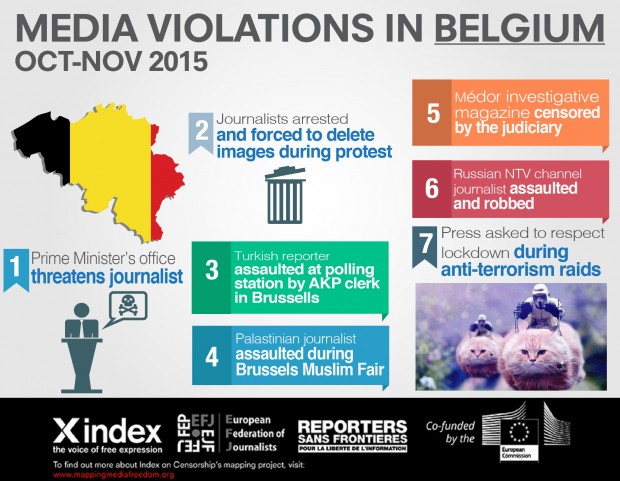
Following the murderous barbarism in France last month, a state of alert was subsequently declared in Belgium amid concerns that a “Paris-style” attack was imminent in Brussels. The city went into lockdown for five days, the army was deployed on the streets, and the authorities asked the media and public not to report on what was happening.
Belgian media complied, as did Belgian Twitter users, who, under the hashtag #BrusselsLockdown, posted pictures of cats rather than comment on police raids. Read More
 Propaganda, counterpropaganda and information wars are all terms that, unfortunately, have become part of our daily discourse.
As the Organization for Security and Co-operation in Europe (OSCE) Representative on Freedom of the Media, I have raised the issue of propaganda emanating from the conflict in and around Ukraine. I have called propaganda an ugly scar on the face of modern journalism and called on governments to get out of the news business.
Tackling propaganda is not a new concept to the participating states of the OSCE. It goes back to the beginning of this organization. At the time of the Helsinki Final Act, the participating states committed themselves to promote “a climate of confidence and respect among peoples consonant with their duty to refrain from propaganda for wars of aggression” against other participating states. Read More
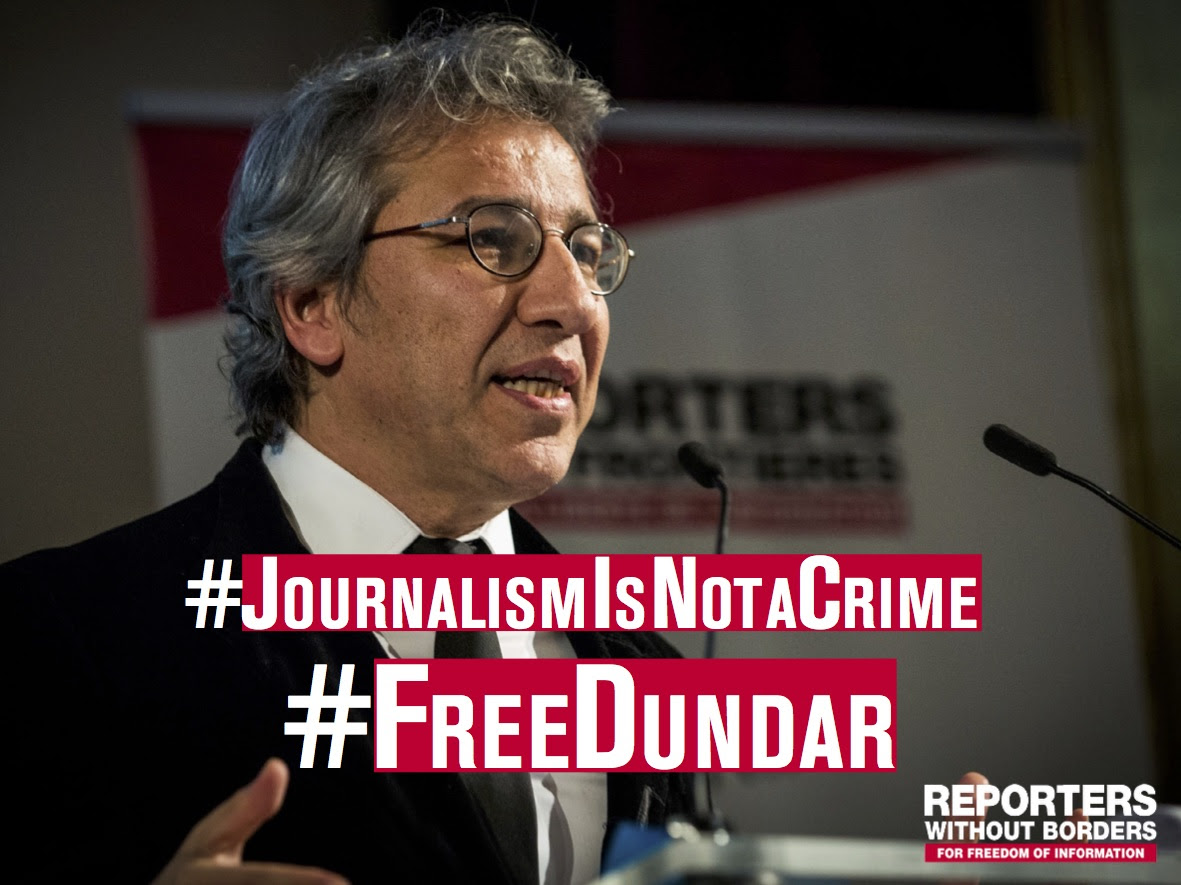
First as prime minister and now as president, Recep Tayyip Erdogan has been waging a methodical crackdown on the media in Turkey for years. Erdogan is persecuting journalists of all colours in an increasingly ferocious manner in the name of combatting terrorism and defending state security. The Erdogan regime’s arrests, threats and intimidation are unworthy of a democracy.
Can Dündar, the editor-in-chief of the Turkish daily Cumhuriyet, and his Ankara bureau chief, Erdem Gül, have been held since the evening of 26 November. They are charged with spying and terrorism because last May they published evidence of arms deliveries by the Turkish intelligence services to Islamist groups in Syria. Both are exemplars of journalism, the search for truth and the defence of freedoms. President Erdogan publicly said that Dündar “will pay for this.” But Cumhuriyet’s journalists just did their job, publishing information that was in the public interest. Read More