All Posts By

Mapping Media Freedom

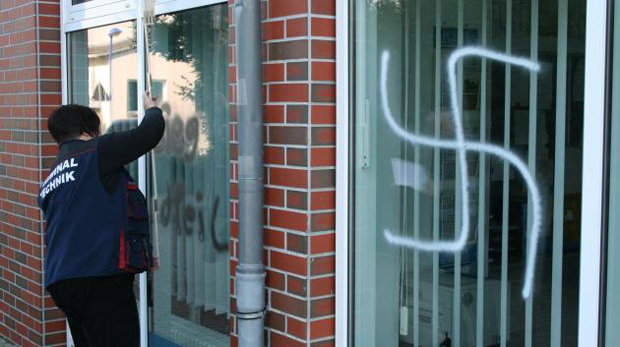
Germany: Vandals lash out against local newspaper for reporting on right-wing extremists

By | Features, Mapping Media Freedom
Vandals attacked the Lausitzer Rundschaufor the second time in a week.

Vandals attacked the Lausitzer Rundschaufor the second time in a week.

On the night of September 4-5, the daily newspaper Lausitzer Rundschau became victim to a crime by now familiar to its employees: neo-nazis vandalised the outside of one of its office buildings in the eastern German city of Spremberg, covering it with anti-Semitic graffiti. Less than a week later, on the night of September 8-9, another Lausitzer Rundschau office in the nearby city of Lübbenau faced a similar attack.

The incidents were covered by national and local media in Brandenburg, the state surrounding Berlin. Right-wing extremism has been a sensitive topic for the Lausitzer Rundschau—only two years ago, the newspaper’s Spremberg office was also vandalized by neo-Nazis who left graffiti and an animal carcass outside the building. Shortly before the 2012 attack, the newspaper had reported critically about a right-wing extremist march in Spremberg. Read More
North Macedonian journalists alarmed over government’s attempts to control private media

By | Features, Mapping Media Freedom, North Macedonia
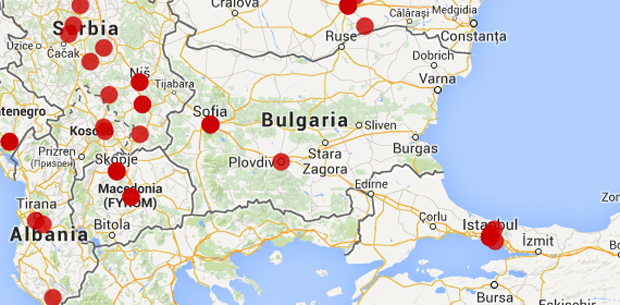
Index on Censorship and Osservatorio Balcani e Caucaso are joining forces to map the state of media freedom in Europe. With your participation, we are mapping the violations, threats and limitations that European media professionals, bloggers and citizen journalists face everyday. We are also collecting feedback on what would support journalists in such situations. Help protect media freedom and democracy by contributing to this crowd-sourcing effort.

Index on Censorship and Osservatorio Balcani e Caucaso are joining forces to map the state of media freedom in Europe. With your participation, we are mapping the violations, threats and limitations that European media professionals, bloggers and citizen journalists face everyday. We are also collecting feedback on what would support journalists in such situations. Help protect media freedom and democracy by contributing to this crowd-sourcing effort.

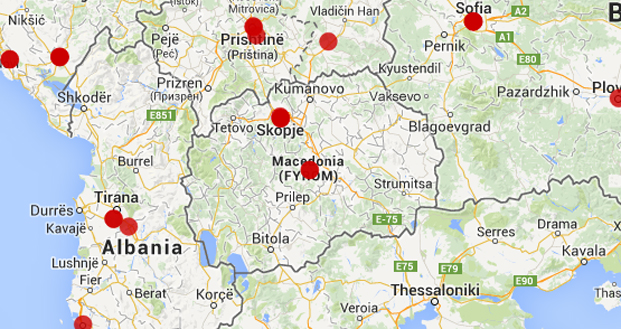
Journalists have raised concerns over a new round of amendments to North Macedonia’s Law on Audio and Audiovisual Media Services (LAAMS).

According to the Association of Journalists of North Macedonia, the changes increase the role of the director of the Agency for Audio and Audiovisual Media Services in disciplining media. The government can now also subsidise up to 50% of domestic film production costs for private media.

“We find this problematic because it brings risk that the government will influence even more national media by using public funds to cause certain content to be produced and broadcast. Read More

Bulgaria: Disputed sections of “bank censorship” proposal axed

By | Features, Mapping Media Freedom
Index on Censorship and Osservatorio Balcani e Caucaso are joining forces to map the state of media freedom in Europe. With your participation, we are mapping the violations, threats and limitations that European media professionals, bloggers and citizen journalists face everyday. We are also collecting feedback on what would support journalists in such situations. Help protect media freedom and democracy by contributing to this crowd-sourcing effort.

Index on Censorship and Osservatorio Balcani e Caucaso are joining forces to map the state of media freedom in Europe. With your participation, we are mapping the violations, threats and limitations that European media professionals, bloggers and citizen journalists face everyday. We are also collecting feedback on what would support journalists in such situations. Help protect media freedom and democracy by contributing to this crowd-sourcing effort.

Bulgarian journalists covering the financial beat can breathe freely as the most controversial parts of the so-called “bank censorship” amendment to the criminal code have been removed by the legal committee of the national assembly.

In July, parliament adopted the amendment on first reading. The text of the draft outlined sentences of two to five years in prison for circulating “false or misleading information” about banks that could “cause panic”. Read More

Assaults against journalists rise in Turkey

By | Features, Mapping Media Freedom
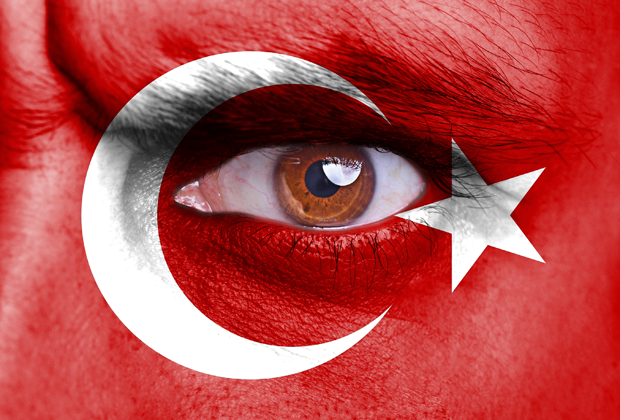
Photo illustration: Shutterstock

Photo illustration: Shutterstock

Since the beginning of this year, cases of assault against journalists, legal threats and lay offs worsened Turkey’s already precarious state of press freedom.

In May, Freedom House ranked Turkey’s media climate “not free.” The Istanbul-based non-profit news website Bianet publishes quarterly media monitoring reports on press freedom breaches within Turkey. Along with new fines against media outlets and other ominous restrictions, the most recent report shows that physical assault against journalists increased over the last three months. According to the new report, 54 journalists were victims of assault between April and June. Bianet’s previous report documents “at least” 40 accounts between January and March.

Erol Önderoğlu, author of Bianet’s media reports, attributes the increased number of assaults this spring to recent demonstrations where journalists were injured. Read More

Montenegro: Impunity is biggest threat to media freedom

By | Features, Mapping Media Freedom

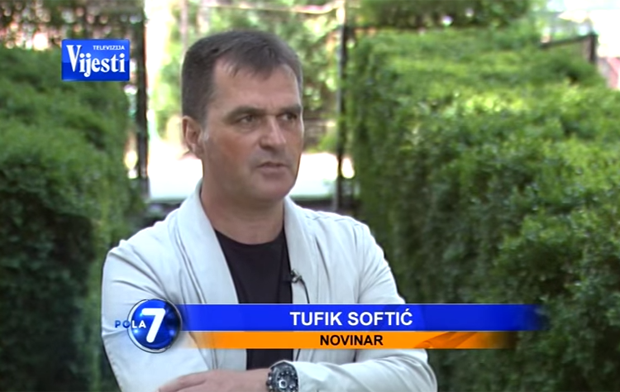
tufik-softic

Seven years after the brutal attack that nearly took the life of journalist Tufik Softic, Montenegrin police detained two men suspected of involvement of his attempted murder. For media unions and observers, the detentions were long overdue, but emblematic of the atmosphere of impunity in Montenegro.

According to police, the men — VL and IA — were arrested in Budva on 17 July and charged with attempted murder in the 2007 attack on Softic, a reporter for the opposition daily newspaper Vijesti. After questioning by the state prosecutor, who confiscated their passports, the men were released the same day. Minister of Interior Rasko Konjevic also issued a statement on the case. Read More

Journalists covering MH17 threatened by separatists

By | Features, Mapping Media Freedom

Separatists in East Ukraine threatened journalists reporting on the Malaysia Airlines MH17 disaster. The plane was downed on Thursday 18 July killing 298 people, including 193 Dutch citizens.

Writing for The Daily Beast, Anna Nemtsova and two colleagues were detained at the morgue by separatists.

On Monday 21 July, Rudy Bouma, a reporter for the Dutch TV broadcaster Nieuwsuur, took photos of rebels carrying weapons at the train station in Donetsk. The separatists controlled the train that was carrying the bodies of the victims. Read More