All Posts By

Mapping Media Freedom

Yavuz Baydar: Erdogan is ruling Turkey by decree

By | Mapping Media Freedom, Turkey Uncensored

By Yavuz Baydar

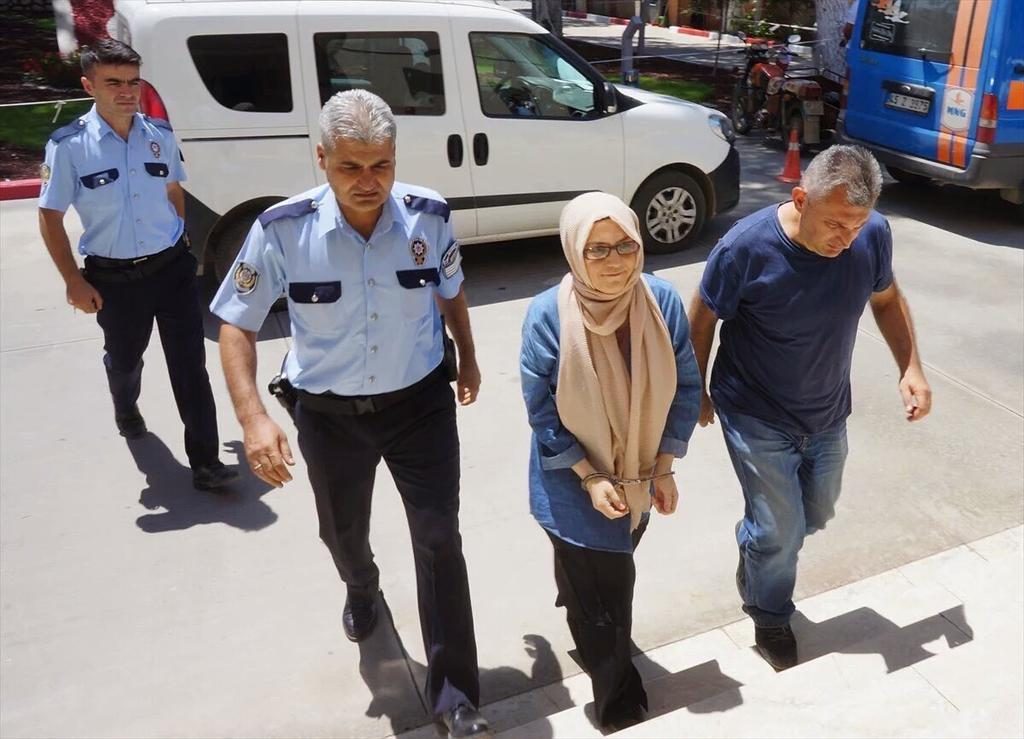
“It was very, very close,” according to a source who followed the case of columnist and human rights lawyer Orhan Kemal Cengiz. By a hair he had avoided detention. While Cengiz has now been released, he is unable to travel abroad.

During the interrogation, Cengiz had repeatedly been asked about critical tweets he had posted about a year ago. “Those who led the interrogation were utterly hostile, seemingly set for finding a pretext to hold him in custody,” my source said. Cengiz’s friends believe that his impeccable international reputation and his work for the European Court of Human Rights, where he has defended Kurds and even, in a couple of cases, Turkish Islamists against the state, may have saved him from a jail cell.
Read more


Ukraine: Journalist’s murder is the latest in a long line of violent attacks

By | Europe and Central Asia, Mapping Media Freedom, Ukraine
Pavel Sheremet (Photo: Ukrainska Pravda)

Pavel Sheremet (Photo: Ukrainska Pravda)

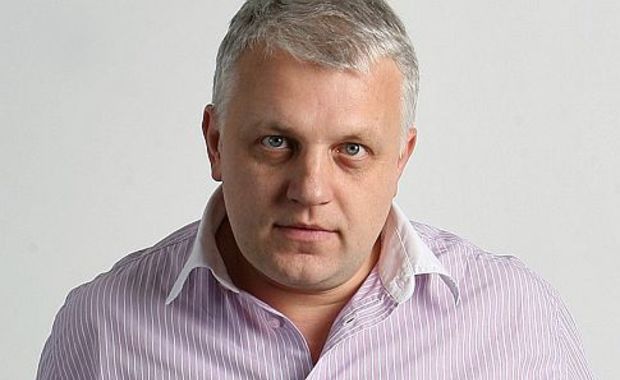
The death of Pavel Sheremet on Wednesday 20 July is the latest and most egregious example of violence against journalists in Ukraine, according to verified incidents reported to Index on Censorship’s Mapping Media Freedom project.

Sheremet was killed when the car he was driving exploded on the morning of 20 July in Kyiv. In a statement, Ukrainian police said that an explosive device detonated at 7.45am as Sheremet was driving to host a morning programme on Radio Vesti, where he had been working since 2015. Read More

Mapping Media Freedom: A disastrous week for Turkish journalism

By | Mapping Media Freedom, Turkey

Words by Ianka Bhatia and Henrik Choy

Turkey has faced severe turmoil since last Friday’s attempted military coup. While it was ultimately thwarted, 290 people were left dead as of 18 July with many more injured. In response, the government has since cracked down on dissent and suspended the European Convention on Human Rights, with more than 50,000 people rounded up, sacked or suspended from their jobs.

In addition, the country has seen an increase in violations against media workers, with journalists murdered, held hostage, arrested and physically attacked, as well as having equipment confiscated or destroyed. These violations have raised concerns from the Organisation for Security and Co-operation in Europe, whose representative on freedom of the media, Dunja Mijatović, has said: “Fully recognising the difficult times that Turkey is going through, the authorities need to ensure media freedom offline and online in line with their international commitments.”

Worries over these freedoms have only increased since President Erdogan announced on Wednesday that Turkey would be in a state of emergency for the next three months, enabling the government to initiate arrests and investigations in response to the failed coup.  Read More

Yavuz Baydar: Critical Turkish media is cracking under pressure

By | Mapping Media Freedom, Turkey
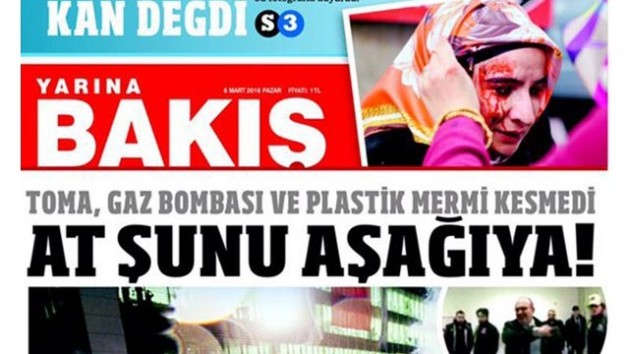
yarina bakis

The 6 March 2016 edition of Yarına Bakış, an independent newspaper print houses now refuse to publish

On Tuesday 19 July, Turkey’s independent and critical journalists, academics and law experts woke up to another day of concern and fear.

The uncertainty is driven by the lack of assurances on media freedom or even a basic respect for the rule of law. At a time when the country is purging its administration of alleged coup plotters, its leaders should be calming nerves and calling for transparency. On the contrary, President Reccep Tayyip Erdoğan and Prime Minister Binali Yıldırım appear to be in favour the reintroduction of the death penalty.

The media is the most fragile element in the middle of the mess. Read More

Reporters Without Borders: The situation of journalists and media in Ukraine

By | Mapping Media Freedom, Ukraine

Mapping Media Freedom partner Reporters Without Borders released a new report on media freedom in Ukraine on 11 July.  Entitled Facing Reality After the Euromaidan: The Situation of Journalists and Media in Ukraine, and available in English, French and German, it details Ukraine’s complicated media landscape as one where investigative journalism and critical reporting operate with little government interference or influence. However, the sector still faces structural limitations such as journalism training gaps and power concentrations within private television networks.

Read More